
Introduction
Nonprofit organizations use promotional products differently from commercial brands. The goal is not simply to put a logo on an item, but to help spread a mission, engage supporters, recognize volunteers, raise funds, and strengthen community connections.
From charity walks and fundraising dinners to school programs, volunteer activities, health campaigns, animal rescue events, and community outreach, promotional products can help nonprofits create stronger visibility and a more memorable participant experience.
What Are the Best Promotional Products for Nonprofits?
The best promotional products for nonprofit organizations are useful, easy to distribute, and matched to a specific campaign goal.
T-shirts, tote bags, reusable bottles, wristbands, stickers and caps work well for awareness and fundraising events. For volunteers, practical apparel, drinkware and bags are usually stronger choices. Donor appreciation programs are better suited to higher-value items such as tumblers, umbrellas, premium notebooks and recognition gifts.
The best choice is not always the cheapest item. Start with the audience, campaign goal, quantity and budget, then choose a product people are likely to keep and use.
Why Nonprofit Organizations Use Promotional Products
Nonprofit organizations often run many types of public activities. These may include fundraising events, charity walks, school programs, volunteer days, community cleanups, donor dinners, health campaigns, animal rescue events, church events, and awareness campaigns.
Each event needs visibility. A nonprofit must make people remember the organization, understand the cause, and feel connected to the mission. Promotional products help make this happen in a simple and physical way.
A branded tote bag, T-shirt, cap, water bottle, wristband, badge, notebook, or thank-you gift can continue working after the event ends. People may carry it, wear it, use it, or keep it at home. This gives the nonprofit repeated exposure without paying for another advertisement.
Promotional products can support nonprofit goals in several ways.
First, they help increase awareness. When people wear a charity T-shirt or carry a branded tote bag, they become part of the message. The product turns supporters into walking advocates.
Second, they help with fundraising. A nonprofit can sell branded merchandise during events or include gifts in donation campaigns. For example, donors may receive a tote bag, enamel pin, notebook, or tumbler after giving a certain amount.
Third, promotional gifts improve volunteer engagement. Volunteers give their time and energy. A useful gift can make them feel appreciated. It can also create a stronger sense of belonging.
Fourth, promotional products can make events look more organized. Matching lanyards, badges, T-shirts, banners, bags, and welcome kits make an event feel more professional.
Fifth, they help donors remember the organization. Donor retention is important for nonprofits. A thoughtful branded gift keeps the mission visible in daily life.
However, nonprofits should avoid buying promotional items simply because they are cheap. PPAI’s recent consumer research found that poor materials or construction are among the biggest reasons recipients reject promotional merchandise. Useful, relevant, well-made items are more likely to be kept and associated positively with the organization.
The best question is therefore not:
“What is the cheapest giveaway?”
It is:
“What product will our audience actually use, and how can it support our mission?”
Best Promotional Products by Nonprofit Goal
Many nonprofit buyers also search for broader product ideas. The following 20 products are the most practical options for nonprofit events, donor campaigns, fundraising, and volunteer appreciation.
Custom T-Shirts
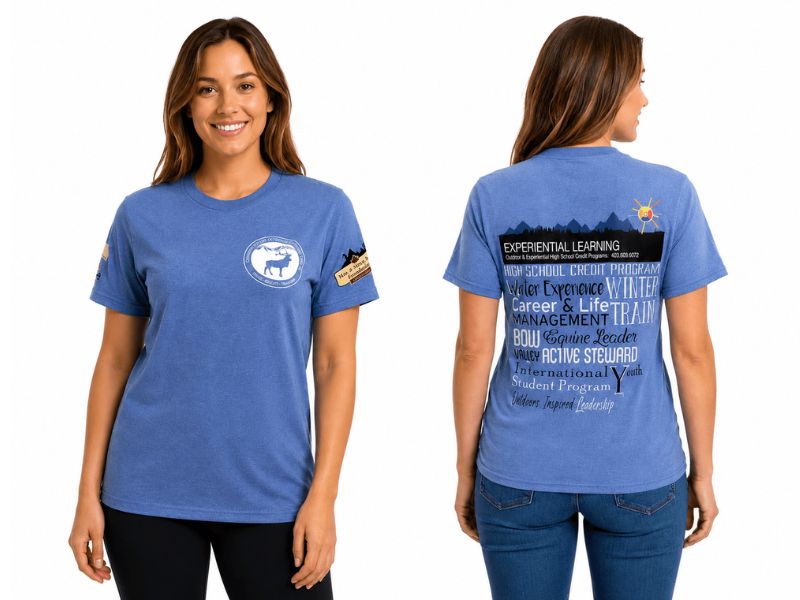
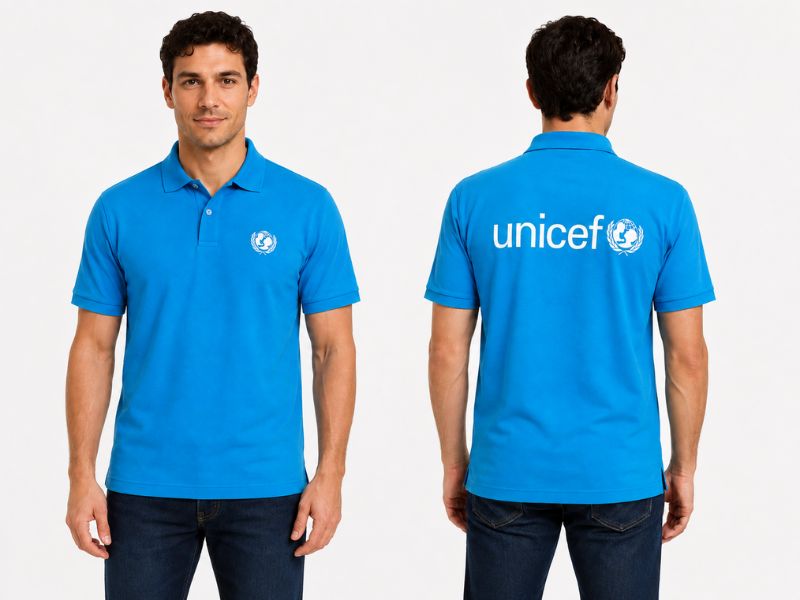
Custom T-shirts are one of the most popular promotional products for nonprofit organizations. They are easy to wear, easy to design, and highly visible in public events. A charity walk, school fundraiser, church program, animal rescue campaign, or volunteer cleanup can use matching T-shirts to create a strong group identity.
The main purpose of a nonprofit T-shirt is awareness. The logo, slogan, event name, and campaign message can be printed clearly on the front or back. T-shirts can also be sold as fundraising merchandise or given to volunteers as event uniforms.
Custom Tote Bags
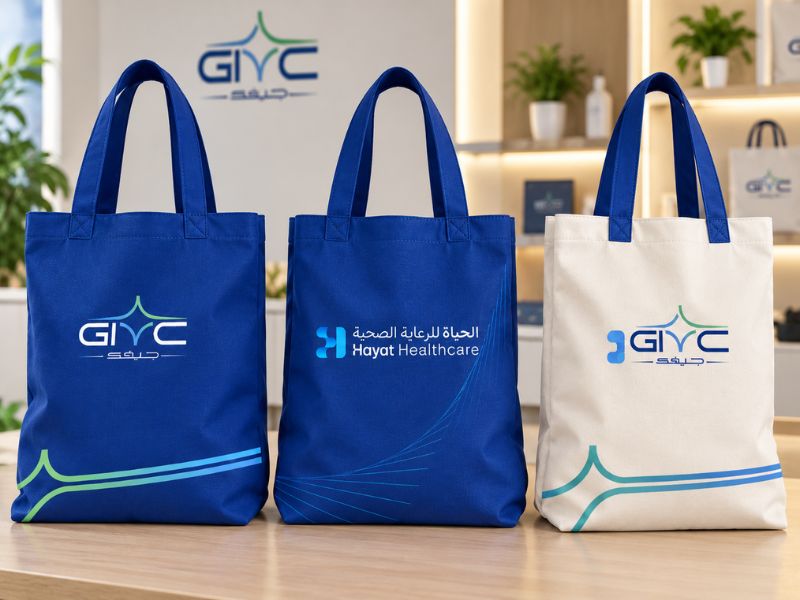
Tote bags are useful, practical, and easy to connect with nonprofit values. They are especially popular for community events, food drives, book fairs, school programs, health campaigns, and environmental organizations. A tote bag can carry brochures, snacks, flyers, donor forms, and small giveaways.
The main purpose of a tote bag is long-term visibility. People may use it for shopping, school, work, or daily errands. For eco-focused nonprofits, reusable cotton, canvas, RPET, or non-woven bags can also support the sustainability message.
Reusable Water Bottles
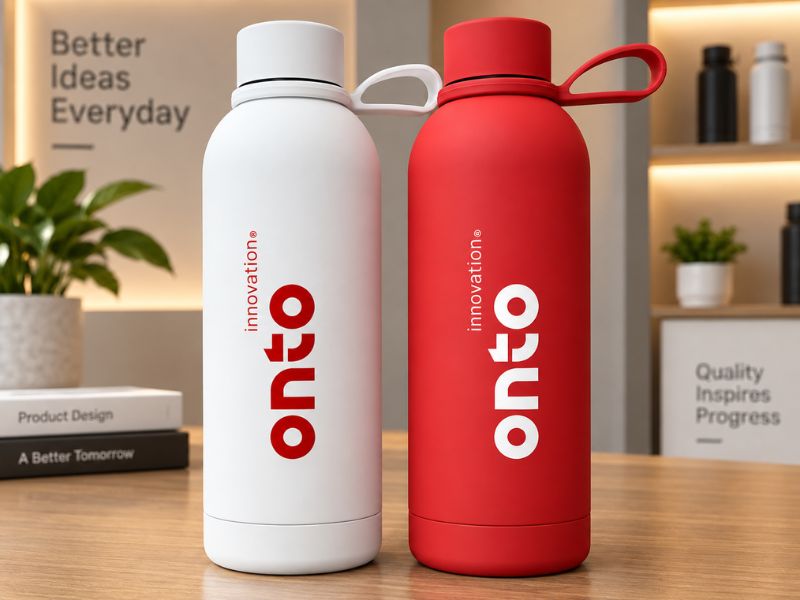
Reusable water bottles are strong products for outdoor events, sports fundraisers, school programs, charity runs, and volunteer activities. They are useful during the event and after the event.
The main purpose is daily brand exposure. A bottle can carry the nonprofit logo, website, slogan, QR code, or donation message. Stainless steel bottles and BPA-free plastic bottles are both common choices. Higher-quality bottles are better for donor appreciation gifts.
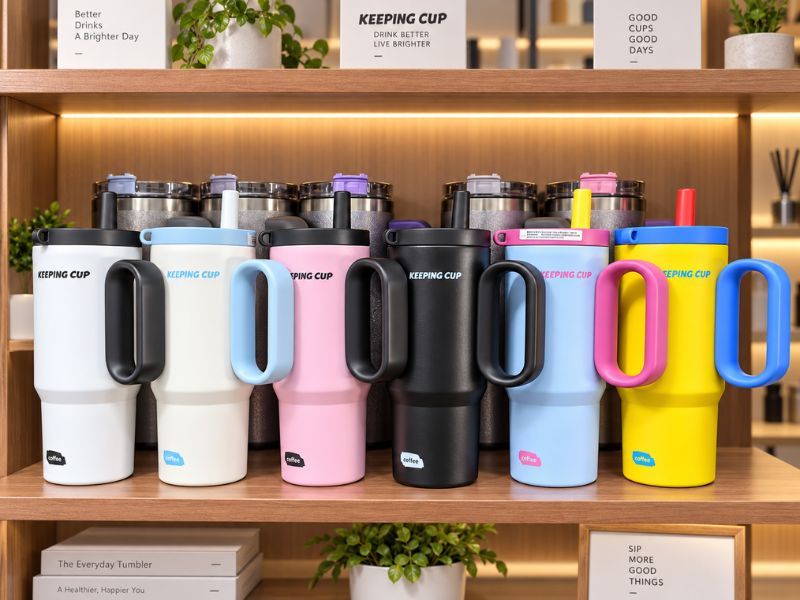
Tumblers and Travel Mugs
Tumblers and travel mugs are popular because people use them at home, in the office, in cars, and during meetings. They are suitable for donor thank-you gifts, board member gifts, charity auctions, school staff gifts, and annual campaign packages.
Their purpose is relationship building. A quality tumbler feels more valuable than a basic giveaway. It can show that the nonprofit respects the donor or volunteer. For premium donors, double-wall stainless steel tumblers are a strong option.
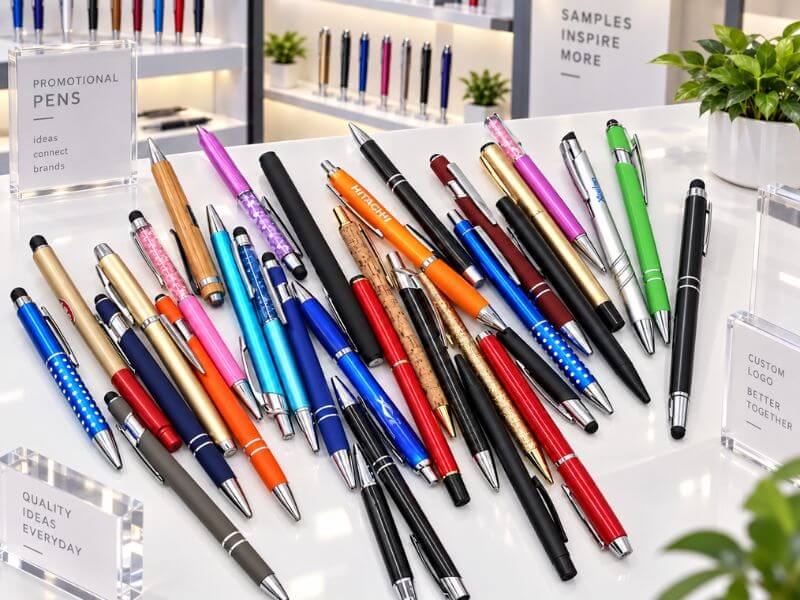
Pens
Pens remain one of the most cost-effective promotional products. They are easy to distribute at registration tables, donation desks, schools, clinics, churches, offices, and trade booths. They are also easy to include in mailers and welcome kits.
The purpose of a pen is low-cost repetition. A pen is small, affordable, and useful. It works best when the logo, website, phone number, or short campaign message is printed clearly. Nonprofits with limited budgets can use pens for large events.
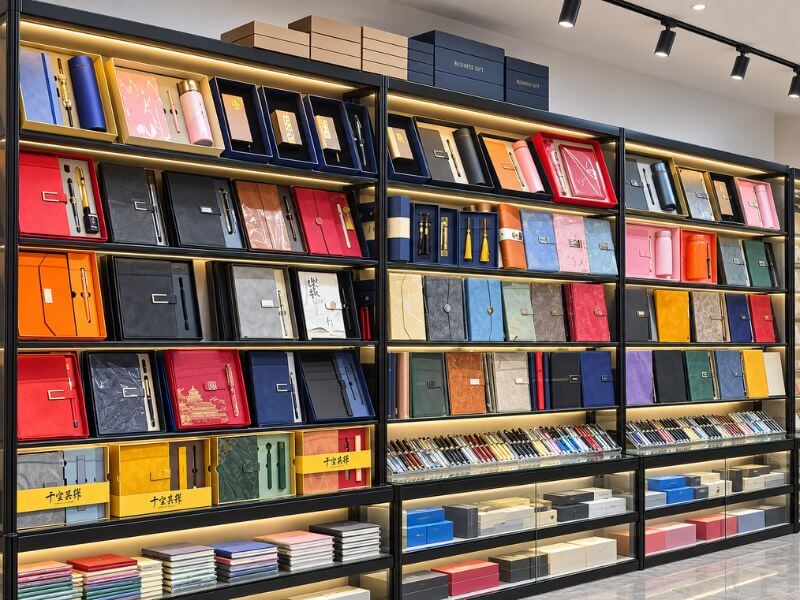
Notebooks and Journals
Notebooks are useful for conferences, training programs, donor meetings, workshops, youth programs, and volunteer onboarding. They can be paired with pens to create a simple but professional kit.
The purpose is education and engagement. Nonprofits often need people to take notes, remember instructions, write ideas, or follow a program. A branded notebook gives the organization a professional image and keeps the message visible for a longer period.
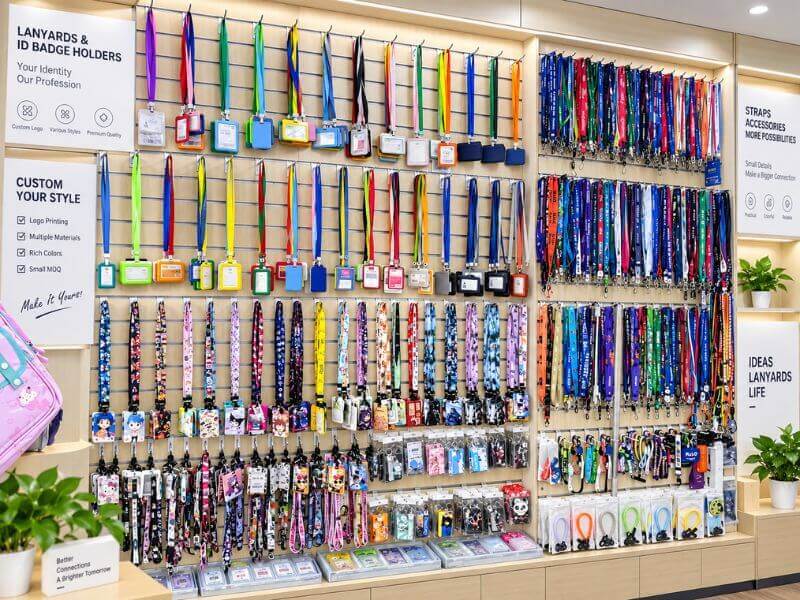
Lanyards and Name Badges
Lanyards and name badges are essential for conferences, fundraising galas, volunteer teams, exhibitions, school events, and charity fairs. They help identify staff, volunteers, speakers, donors, guests, and partners.
Their main purpose is event organization. A lanyard can display the nonprofit logo and event name. It can also hold ID cards, schedules, access cards, or small information cards. For larger events, different colors can identify different teams.
Wristbands
Silicone wristbands are simple, affordable, and strongly connected to awareness campaigns. They are often used for health causes, youth campaigns, school programs, memorial events, and social movements.
The purpose of a wristband is message sharing. A short slogan, hashtag, website, or awareness phrase can be debossed or printed on the band. Because wristbands are low-cost, they are suitable for large distribution.
Buttons and Badges
Buttons and badges are easy to wear and easy to distribute. They are suitable for political nonprofits, schools, clubs, charity events, awareness campaigns, museum programs, and volunteer teams.
Their main purpose is visible support. A badge lets people show that they support a cause. It can also be used to identify roles, such as volunteer, donor, speaker, sponsor, or staff. Buttons are also popular because they are lightweight and affordable.
Stickers and Decals
Stickers are one of the best low-cost products for nonprofit awareness. They work well for schools, youth organizations, animal rescue groups, environmental campaigns, and online donation campaigns.
The purpose is message spreading. Supporters can place stickers on laptops, notebooks, water bottles, cars, packaging, or event materials. Stickers should use simple artwork, strong colors, and a short message. QR code stickers can also guide people to donation pages.
Caps and Hats
Caps are useful for outdoor events, sports programs, charity runs, school teams, church groups, and community cleanup campaigns. They offer strong visibility because the logo appears at eye level.
The main purpose is both protection and branding. A cap protects the wearer from sun exposure and gives the event a professional appearance. Embroidered caps feel more premium and are suitable for donors, staff, and long-term volunteers.
Drawstring Bags
Drawstring bags are lightweight and budget-friendly. They are useful for school programs, sports events, summer camps, youth charities, and community outreach events.
Their purpose is event convenience. Attendees can use the bag to carry a T-shirt, brochure, water bottle, snack, or other giveaways. The large print area also gives nonprofits space for a logo, sponsor names, or campaign message.
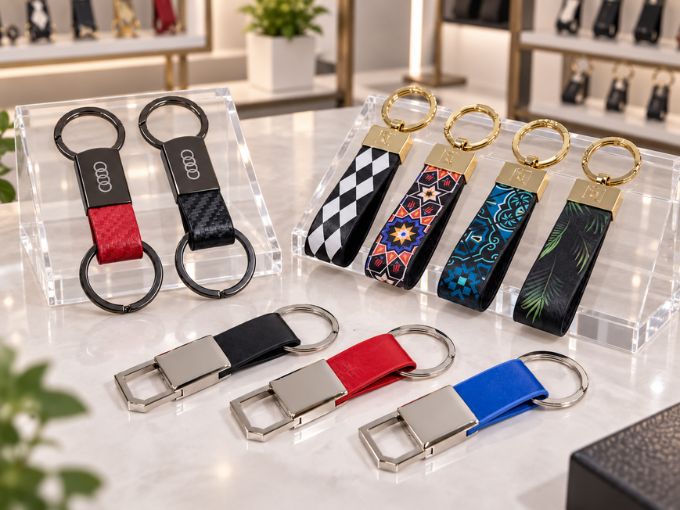
Keychains
Keychains are small, affordable, and easy to distribute in large quantities. They are suitable for donor tables, mail campaigns, welcome packs, school fairs, and community events.
The purpose is long-term reminder value. A keychain may stay with the user for months or years. Metal keychains feel more premium, while acrylic, PVC, and soft rubber keychains are better for colorful campaign designs.
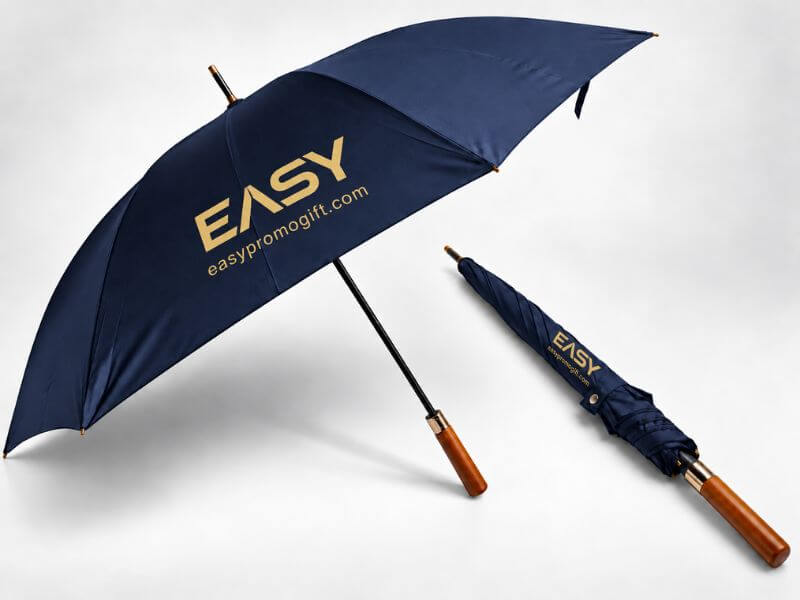
Custom Umbrellas
Custom umbrellas are practical for charity walks, outdoor events, donor gifts, and volunteer programs. Their large print area gives nonprofit organizations strong brand visibility.
Folding umbrellas suit giveaways and donor gifts, while golf umbrellas are better for staff, sponsors, and outdoor events.
Calendars
Calendars are strong products for long-term visibility. They are useful for annual campaigns, churches, schools, animal shelters, hospitals, senior centers, and community organizations.
The purpose is year-round presence. A calendar can show important campaign dates, volunteer days, donation deadlines, event schedules, and impact stories. It can also include sponsor logos, which may help cover production costs.
Awards and Recognition Gifts
Awards are important for volunteer appreciation, donor recognition, staff milestones, sponsor thank-you programs, and annual galas. They may include plaques, trophies, medals, crystal awards, wooden awards, or custom certificates.
The purpose is emotional value. Volunteers and donors often want to feel seen. A recognition gift communicates respect and gratitude. It also encourages future involvement and gives recipients a reason to share the moment with others.
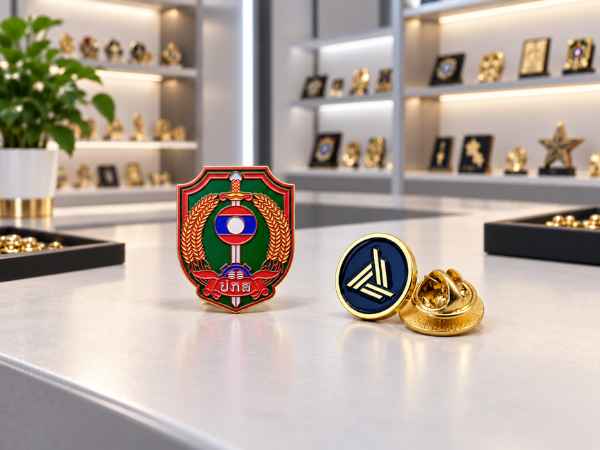
Enamel Pins
Enamel pins are small, collectible, and popular with younger supporters. They work well for museums, arts nonprofits, animal rescue groups, social causes, and membership campaigns.
The purpose is identity. A pin lets supporters show their connection to the organization in a subtle and stylish way. Pins can also be sold as fundraising merchandise or included in donor welcome kits.
Tech Accessories
Tech accessories include phone stands, webcam covers, charging cables, power banks, mouse pads, screen cleaners, and cable organizers. They are suitable for education programs, online fundraising campaigns, professional associations, and nonprofit conferences.
The purpose is daily usefulness. A practical tech item can keep the nonprofit brand close to the user’s desk, phone, or computer. Higher-value tech products should be reserved for donors, sponsors, speakers, or VIP supporters.
Eco-Friendly Promotional Products
Eco-friendly promotional products include recycled tote bags, bamboo pens, seed paper, reusable cutlery, RPET lanyards, recycled notebooks, cork coasters, and plastic-free packaging.
Their purpose is mission alignment. Many nonprofits care about sustainability, community health, waste reduction, and responsible sourcing. Eco-friendly products help the gift match the values of the organization. Buyers should ask for material details and certificates when possible.
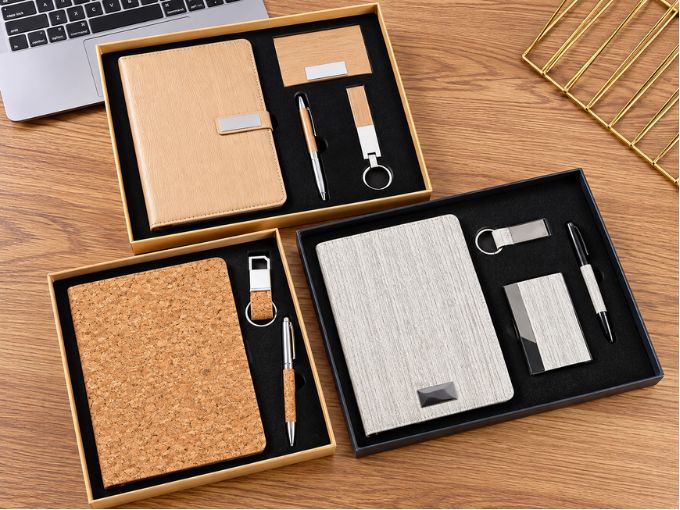
Custom Event Kits
Custom event kits combine several products into one package. A typical nonprofit event kit may include a pen, notebook, tote bag, water bottle, wristband, sticker sheet, and thank-you card.
The purpose is complete event experience. A kit makes attendees feel prepared and included. It also creates strong branding across the whole event. For fundraising campaigns, a donor kit can include premium items such as a tumbler, pin, notebook, and personalized card.
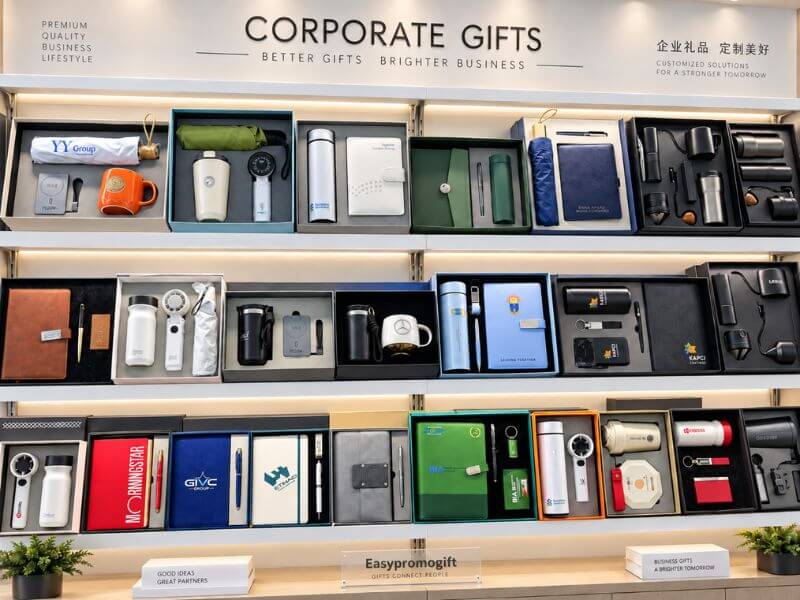
Best Promotional Products by Type of Nonprofit
| Organization | Good Product Choices |
|---|---|
| Animal Rescue | Tote bags, T-shirts, bandanas, stickers, enamel pins |
| Environmental Nonprofit | Reusable bottles, RPET bags, recycled notebooks |
| School / Education Foundation | T-shirts, notebooks, bottles, drawstring bags |
| Health Charity | Wristbands, T-shirts, bottles, caps |
| Museum / Arts Organization | Tote bags, enamel pins, notebooks, postcards |
| Community Organization | Tote bags, pens, shirts, event kits |
| Religious Organization | T-shirts, notebooks, tote bags, calendars |
| Youth Programs | Drawstring bags, bottles, stickers, wristbands |
Best Promotional Products by Nonprofit Goals
| Nonprofit Goal | Recommended Products | Best For | Budget Level |
|---|---|---|---|
| Awareness Campaigns | T-shirts, wristbands, stickers, tote bags, caps | Large public campaigns | Low–Medium |
| Charity Walks & Runs | T-shirts, bottles, drawstring bags, caps, umbrellas | Participants & volunteers | Medium |
| Volunteer Programs | T-shirts, caps, bottles, notebooks | Team identity & appreciation | Medium |
| Fundraising Merchandise | T-shirts, tote bags, pins, caps, bottles | Products supporters can purchase | Medium |
| Donor Appreciation | Tumblers, umbrellas, notebooks, awards, gift sets | Donors & sponsors | Medium–High |
| Community Outreach | Pens, stickers, wristbands, tote bags | High-volume distribution | Low |
| Outdoor Events | Umbrellas, tents, flags, banners, bottles | Charity walks & public events | Medium–High |
Additional Event Branding Materials for Nonprofits
Outdoor Banners, Beach Flags and Backdrops
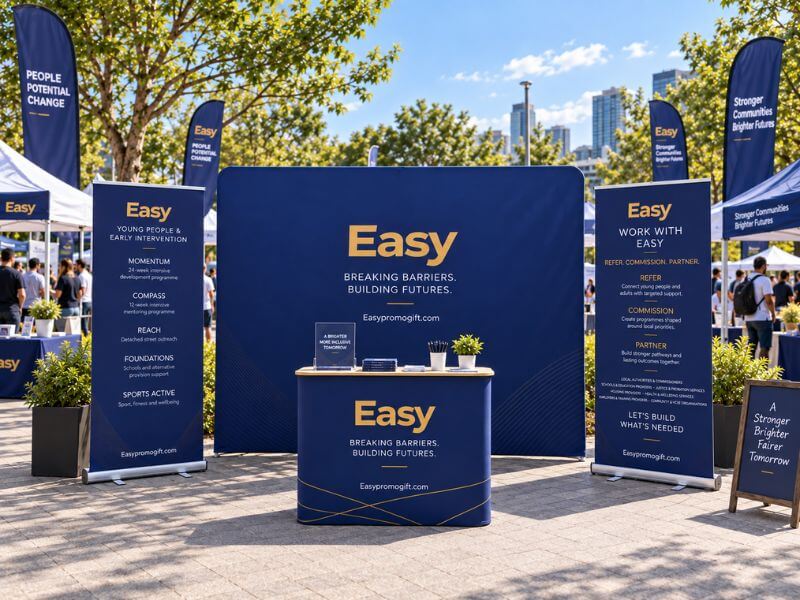
Outdoor marketing materials are essential for large nonprofit events. Roll-up banners, pop-up banners, beach flags, feather flags and backdrops help guide visitors and strengthen brand visibility.
These products are especially suitable for outdoor fundraising, charity walks, marathons, awareness campaigns and sponsor photo areas. A backdrop can be used for interviews, group photos and social media content. A beach flag can help people find the event location quickly.
Outdoor Event Marketing Materials Checklist
For outdoor nonprofit activities, the most useful marketing materials include:
| Outdoor Product | Best Use |
|---|---|
| Advertising tent | Registration booth, donation booth, information area |
| Roll-up banner | Indoor and semi-outdoor event information |
| Pop-up banner | Campaign message, sponsor display, photo area |
| Beach flag | Direction signs and long-distance visibility |
| Step-and-repeat backdrop | Photos, interviews and sponsor exposure |
| Branded table cover | Donation desk, welcome desk, product display |
| A-frame sign | Entrance, parking, registration and event directions |
| Outdoor poster stand | Schedule, map and safety notice |
| Inflatable arch | Charity race start line or finish line |
| Barrier cover | Crowd control and sponsor branding |
These items are not traditional giveaways, but they are powerful promotional tools. For nonprofit organizations, they help create a professional event environment and make the organization easier to recognize.
Where Nonprofits Find Promotional Product Suppliers
Nonprofits have several sourcing channels. The right choice depends on quantity, deadline, customization level, budget, project complexity, and how much supply-chain management the organization wants to handle internally.
| Channel | Best For | Main Advantage | Main Limitation |
|---|---|---|---|
| Local Promotional Company | Small or urgent orders | Easy communication, samples, strong local service | Higher price |
| Industry Trade Shows | Buyers comparing many suppliers | See products and meet suppliers in person | Travel cost and supplier screening |
| Direct Factory in China | Large single-product orders | Better pricing and direct customization | Harder to manage multiple product categories |
| Online B2B Platforms | Price comparison and supplier search | Large supplier selection | Quality is hard to judge online; screening takes time |
| China Sourcing Partner | Multi-product custom campaigns | One contact, more supplier resources, flexible MOQ | Depends heavily on the partner’s sourcing and QC ability |
| Guangzhou / Yiwu Wholesale Markets | Professional buyers and sourcing trips | Many suppliers and physical samples in one place | Travel, hotel and communication costs |
Common Pain Points When Buying Promotional Products for Nonprofits
For nonprofit buyers, the biggest challenge is rarely finding a product. Thousands of products are available. The difficult part is finding the right product at the right cost, quality, quantity, and delivery time.
Budget pressure is usually the first challenge. Nonprofits must often justify spending carefully, but choosing the absolute cheapest product can create waste if recipients do not use it. The better approach is to compare cost per useful recipient rather than unit cost alone.
MOQ is another issue. Local suppliers may support small quantities but at a higher price. Overseas factories may offer better pricing but require larger quantities. Nonprofits need to balance quantity requirements with realistic attendance, donor numbers, and future reuse.
Delivery deadlines can be unforgiving. Charity events, conferences, fundraising dinners, and awareness days have fixed dates. A product arriving three days late may have almost no value. Buyers need to calculate sampling, production, international freight, customs clearance, and contingency time—not just factory lead time.
Quality inconsistency creates reputational risk. Apparel sizes, printing colors, stitching, bottle lids, bag handles, logo positions, and packaging can all vary. A nonprofit’s supporters may associate poor product quality with the organization itself. PPAI’s current research reinforces this point: consumers are particularly sensitive to poor construction and materials in branded merchandise.
Multi-product projects are difficult to coordinate. A volunteer event kit might involve seven products made by five different factories. Without consolidation, the nonprofit may receive separate shipments, inconsistent colors, different packaging, and several invoices.
Sustainability claims also require care. If an environmental organization gives away a supposedly eco-friendly item, buyers should understand what the material actually is, what certifications support the claim, and whether excessive packaging undermines the message.
Finally, there is the issue of communication. Local suppliers may be easier to contact but more expensive. Direct overseas factories may provide attractive pricing but require more detailed specifications. Wholesale markets offer variety but require buyer expertise. Sourcing companies reduce coordination work but are most effective when the client clearly communicates budget, quantity, deadline, audience, and purpose.
How to Choose Promotional Products for a Nonprofit
| Question | What to Decide |
|---|---|
| What is the goal? | Awareness, fundraising, donor appreciation, volunteer recognition or event organization |
| Who will receive it? | Donors, volunteers, participants, sponsors, staff or public |
| How much can you spend? | Total budget + target cost per recipient |
| How many do you really need? | Expected attendance plus a reasonable reserve |
| When is the event? | Allow time for artwork, samples, production, freight and delays |
| Will people use it? | Choose practical products appropriate to the audience |
| Does it fit the mission? | Avoid products or materials that contradict the organization’s values |
| Can unused items be reused? | Avoid unnecessary event dates where possible |
Best Nonprofit Promotional Products by Budget Level
| Budget Level | Suitable Products | Best Use |
|---|---|---|
| Budget-Friendly | Stickers, pens, wristbands, buttons | Large awareness campaigns |
| Mid-Range | Tote bags, T-shirts, caps, drawstring bags, bottles | Events and volunteers |
| Higher-Value | Tumblers, umbrellas, awards, premium notebooks | Donors, sponsors and recognition |
Compare total campaign cost, not only unit price. Setup charges, printing, packing and shipping can materially change the final cost.
How Easypromogift Helps Nonprofits Source Custom Promotional Products
Easypromogift’s role is not simply to sell one promotional item. We help organizations manage product selection, customization, supplier coordination, sampling, quality inspection, packaging, consolidation, and global shipping through China’s supply chain.
For nonprofit buyers, the practical advantage is having one team coordinate multiple product categories while keeping the campaign’s colors, logo use, packaging, budget, and delivery schedule aligned.
The following are examples of the types of nonprofit projects this model can support.
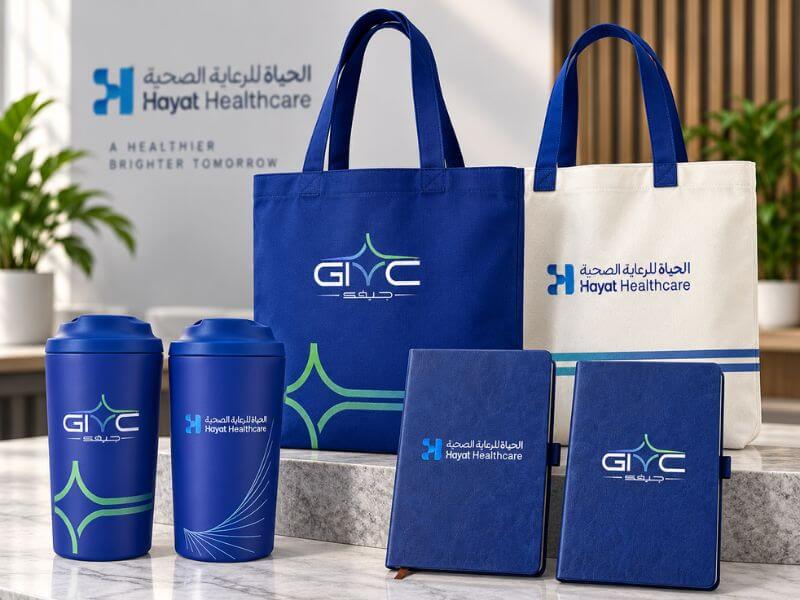
Project Example: Coordinated Promotional Gift Collection
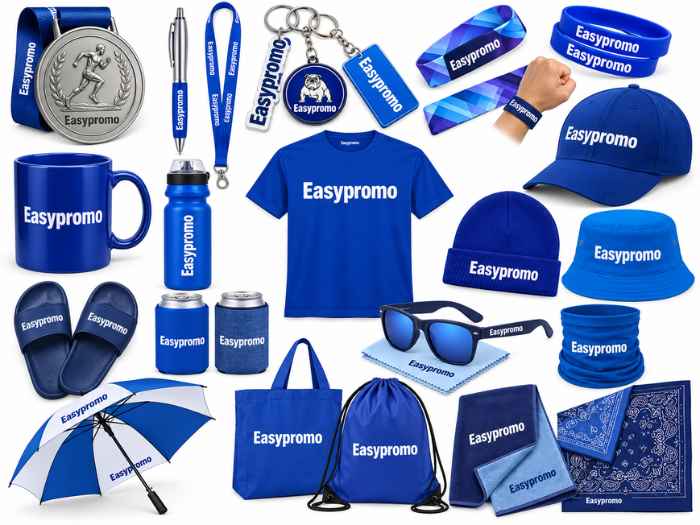
Example 2: Volunteer Appreciation Package
A volunteer appreciation program should feel thoughtful without consuming an excessive budget. A practical set might combine a cotton tote bag, notebook, enamel pin, tumbler, and thank-you card.
Easypromogift can coordinate logo placement, colors, product selection, packaging, and production so the items feel like one intentional gift rather than unrelated merchandise.
This type of package is suitable for annual volunteer recognition, long-term service milestones, community programs, and nonprofit staff appreciation. Recognition matters because volunteers are central to the work of many nonprofits, and organizations regularly use formal and informal methods to thank them.
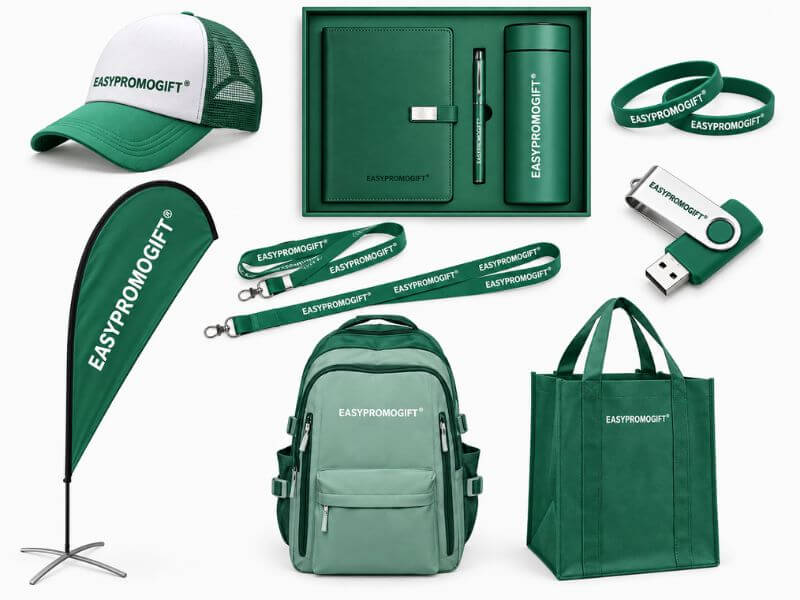
Example 3: Donor Thank-You Gift Program
Donor gifts require more careful segmentation. A first-time donor may receive a pin or small notebook, while a major donor, board member, or long-term supporter may receive premium drinkware, a desk gift, award, or branded gift box.
Easypromogift can help build different gift levels while maintaining the same visual identity. Packaging, cards, ribbons, and brand colors can be coordinated across different gift tiers.
The objective is not to “buy” donor loyalty. It is to complement sincere stewardship with a tangible expression of appreciation. Research on donor retention repeatedly emphasizes that sustained connection, appreciation, and communication matter after the donation.
Example 4: Eco-Friendly Awareness Campaign
An environmental, education, community-health, or animal-welfare nonprofit may want merchandise that is practical but also aligned with sustainability goals.
Possible products include RPET tote bags, recycled notebooks, reusable bottles, bamboo pens, cotton pouches, seed-paper cards, recycled-polyester lanyards, and reduced-plastic packaging.
Easypromogift can help compare material choices, customization methods, packaging, MOQ, and sourcing options rather than simply labeling every product “eco-friendly.” Where relevant, material documentation or certification requirements can be clarified before ordering.
The result is a campaign where the physical products reinforce the organization’s message instead of contradicting it.
Conclusion
The best promotional products for nonprofit organizations combine usefulness, visibility, appropriate cost, and mission relevance.
T-shirts, tote bags, bottles, tumblers, pens, notebooks, lanyards, wristbands, badges, stickers, caps, bags, keychains, umbrella, calendars, recognition gifts, enamel pins, tech accessories, sustainable products, and custom kits can all serve different nonprofit goals.
The important step is to start with the objective rather than the merchandise.
Easypromogift helps nonprofit organizations, event teams, and promotional buyers coordinate custom products through China’s supply chain—from product selection and customization to quality inspection, consolidated packaging, and international delivery.
Planning a nonprofit campaign? Share your event type, quantity, logo, budget, destination country, and target delivery date to receive practical product recommendations and a sourcing plan.