
Microfiber cloth is not made through one single process. The production method depends on the type of cloth, its fiber composition, fabric construction, GSM and intended application.
A thin, smooth microfiber cloth used for eyeglasses, screens or jewellery is very different from a thick microfiber towel used for automotive, kitchen or general cleaning.
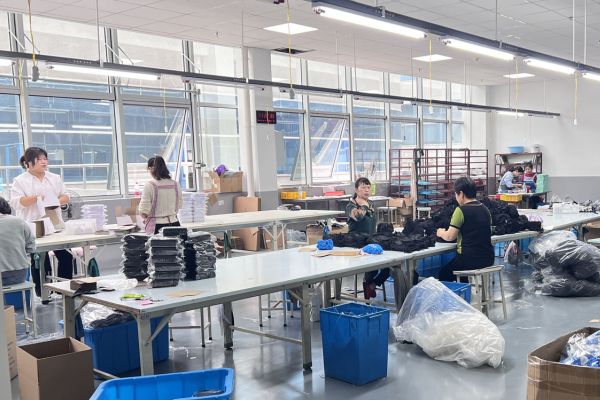
In this guide, we show the main production stages from microfiber yarn and fabric preparation to knitting, dyeing, cutting, branding, sewing, quality control and packing, using real production images from our supply chain in China.
Quick Answer: How Is Microfiber Cloth Made?
Most microfiber cleaning cloths are made from very fine polyester fibers or a polyester/polyamide blend.
At the textile-production stage, microfiber yarn is prepared and knitted into fabric. The fabric is then dyed and finished according to the required colour, texture and cleaning performance. After finishing, the fabric is cut to size, printed or branded if required, edged or sewn, inspected and packed.
The exact process varies between a smooth lens-cleaning cloth and a thicker microfiber cleaning towel, so material composition, knitting structure and finishing should be selected according to the final application.
Microfiber Cloth Manufacturing Process at a Glance
| Stage | What Happens | Why It Matters |
|---|---|---|
| 1. Material Selection | Polyester or polyester/polyamide microfiber is selected | Affects softness, absorbency and application |
| 2. Yarn & Fabric Preparation | Yarn is prepared for knitting | Determines fabric structure |
| 3. Knitting | Warp or weft knitting forms the fabric | Controls texture, density and stretch |
| 4. Dyeing & Finishing | Fabric is dyed and finished | Creates the required colour and hand feel |
| 5. Cutting | Fabric is cut to required sizes | Determines finished dimensions |
| 6. Branding | Printing, embossing, embroidery or labels are added | Adds logo and custom design |
| 7. Edge Finishing | Sewing or other edge methods are applied | Improves appearance and durability |
| 8. Quality Control | Size, colour, printing and workmanship are checked | Helps maintain batch consistency |
| 9. Packing | Cloths are folded and packed | Prepares the order for retail or bulk shipment |
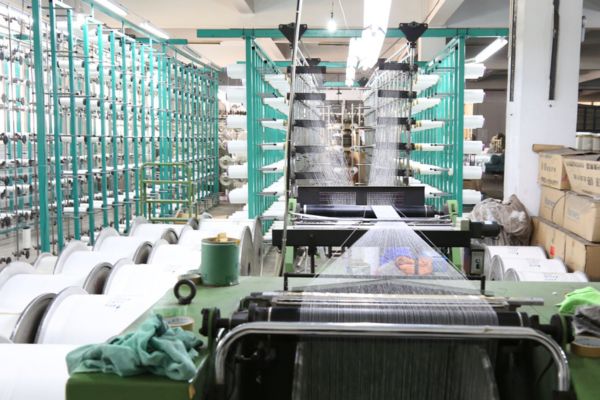
1. Material Selection: Polyester or Polyester/Polyamide
Microfiber refers to very fine synthetic fibers rather than one fixed fabric formula.
Common cleaning cloth constructions include 100% polyester and polyester/polyamide blends, such as 80% polyester and 20% polyamide.
The correct composition depends on the cleaning application, required hand feel, absorbency, fabric structure and cost target.
For example, smooth cloths for eyeglasses, electronics and jewellery generally require a much finer and smoother surface than thick towels used for automotive or household cleaning.
2. How Microfibers Are Formed
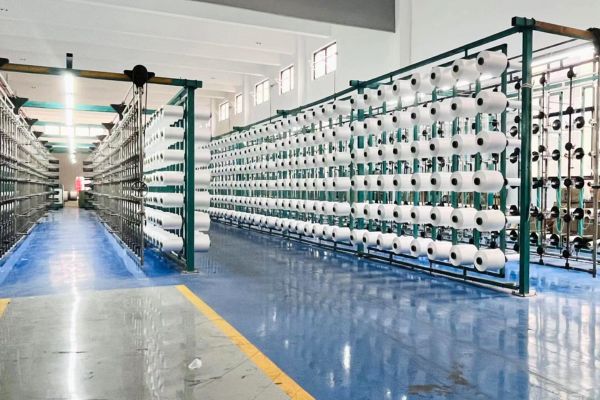
At the upstream fiber-production stage, very fine synthetic filaments can be produced using specialized spinning technologies. In some polyester/polyamide microfiber constructions, conjugate fibers are subsequently split into much finer segments.
This increases the effective fiber surface area and changes the structure of the fabric, which contributes to microfiber’s ability to collect fine particles and moisture.
Fiber extrusion and splitting are normally completed by specialized yarn or textile mills before the fabric is converted into finished cleaning cloths.
3. Warp Knitting and Weft Knitting
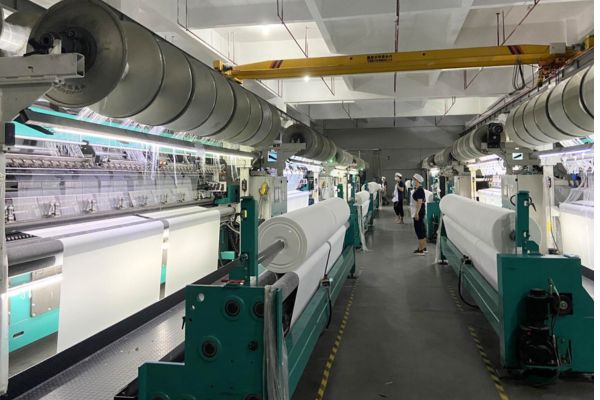
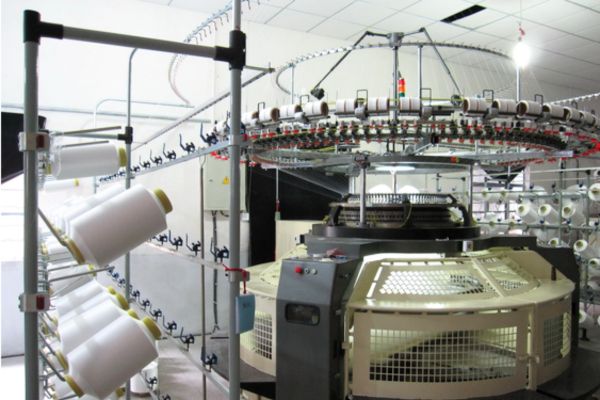
Microfiber cleaning fabrics can use different knitted constructions.
Warp-knitted microfiber is widely used where dimensional stability and a controlled surface are important.
Weft-knitted microfiber can provide a different stretch, pile structure and hand feel.
Construction should be selected according to the intended use rather than treating all microfiber cloths as the same fabric.
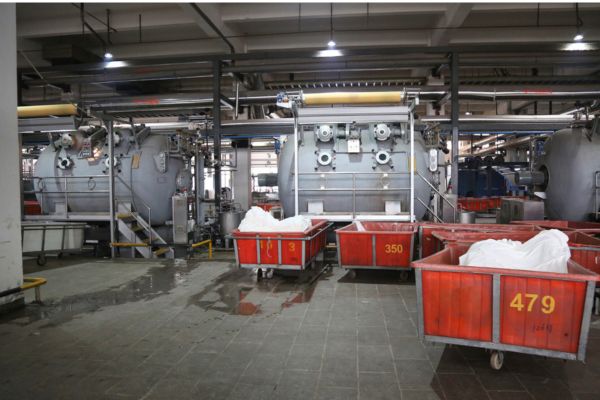
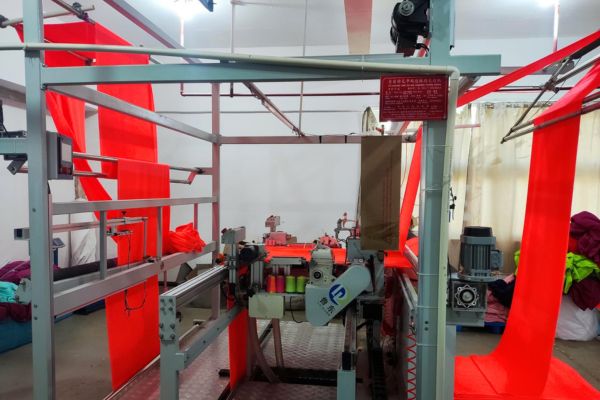
4.Dyeing and Fabric Finishing
After knitting, the fabric is dyed to the required colour and goes through the necessary finishing processes.
Dyeing parameters depend on the fiber composition, fabric construction and colour requirement. For branded orders, custom colours can be matched against a Pantone or approved colour sample when production quantity allows.
After finishing, the fabric is checked for colour, surface appearance and basic dimensional consistency before conversion into finished cloths.
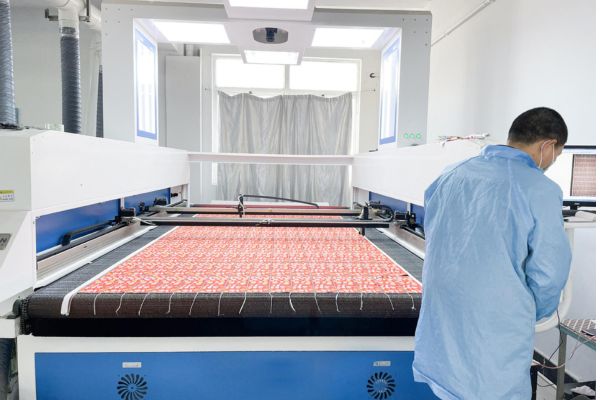
5. Cutting the Fabric
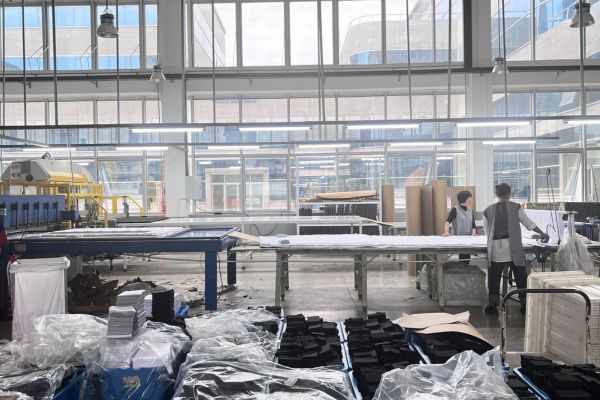
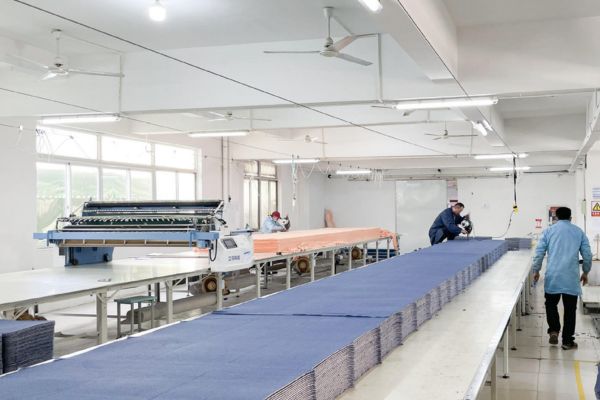
Finished microfiber fabric is supplied in rolls and then cut according to the required cloth size.
Depending on the product, production may use manual cutting, automated cutting or integrated cutting-and-sewing equipment.
Common custom requirements include:
- Length and width
- Square, rectangular or special shapes
- Straight, zigzag or sewn edges
- Print-safe margins
- Folding requirements
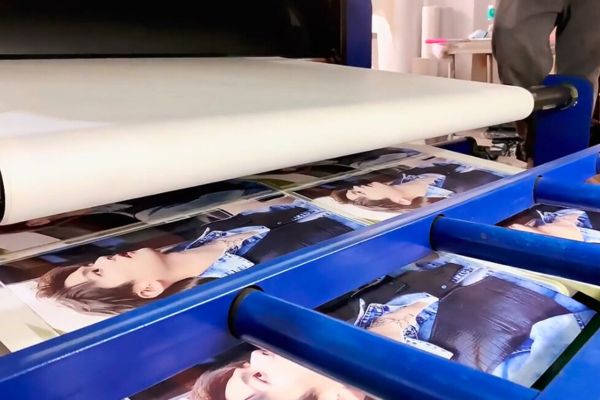
6.Adding Logos and Custom Branding
Branding method should be selected according to the fabric construction and intended appearance.
Common options include:
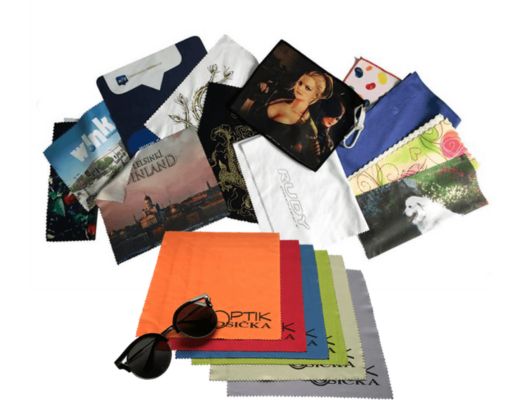
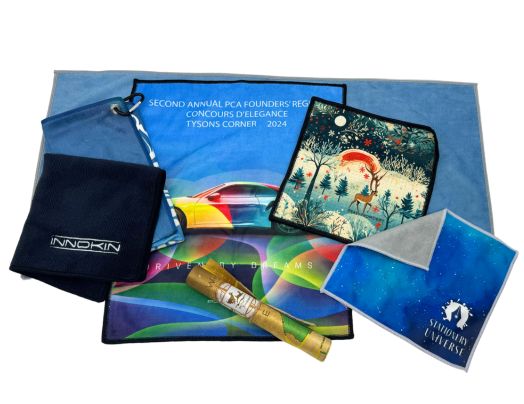
Smooth microfiber cloth: full-colour sublimation, screen printing, foil printing or debossed effects on suitable materials.
Thicker microfiber towels: embroidery, screen printing, heat transfer or sewn labels.
Before mass production, the artwork, logo size, colour and print position should be confirmed through a sample or production proof.
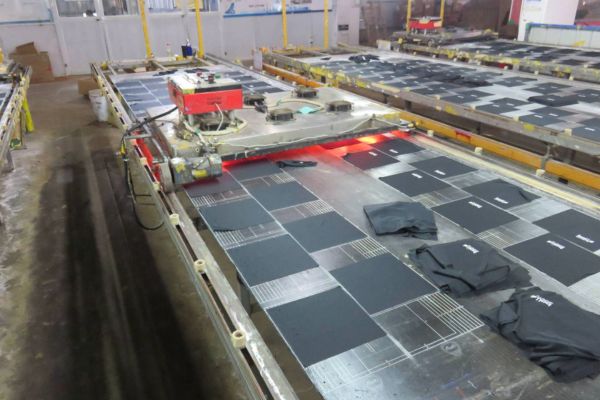
Silk printing
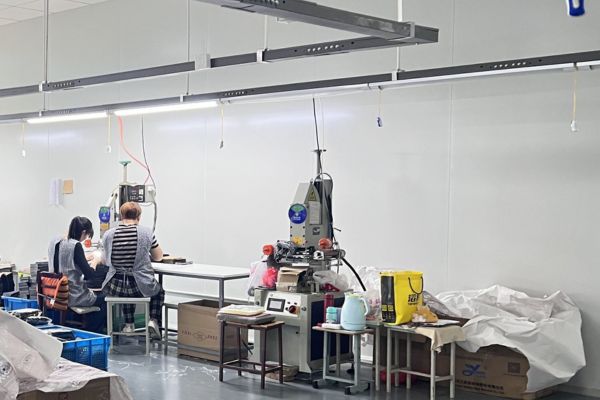
Deboss production
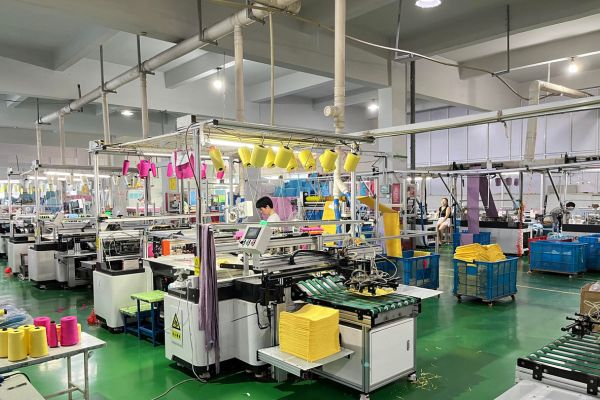
7.Edge Finishing and Sewing
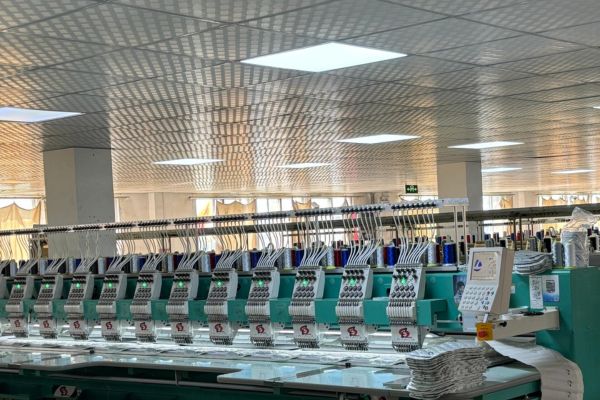
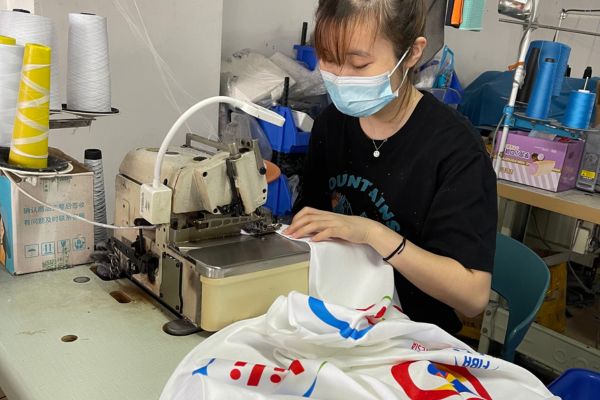
After cutting, the cloth may be finished with sewing, overlock, ultrasonic cutting or other edge treatments depending on the fabric.
Edge selection affects appearance, durability and cleaning application.
For delicate surfaces such as eyewear, screens and jewellery, buyers should pay particular attention to the fabric surface and edge construction so that the finished product matches the intended use.
8.Quality control
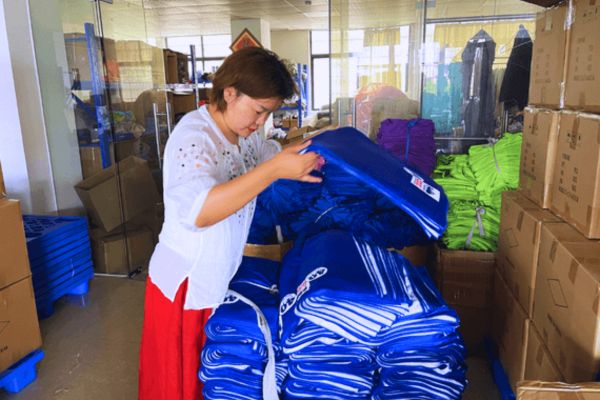
should be based on the specifications confirmed before production.
For custom microfiber cloth orders, typical checks include:
- Fabric composition and GSM against the approved specification
- Finished size and agreed tolerance
- Fabric and colour consistency
- Logo size, colour and position
- Printing defects
- Sewing and edge workmanship
- Stains, holes or surface defects
- Packing quantity and carton markings
Where a buyer requires specific performance or compliance testing, the test method and acceptance standard should be agreed before production.
9. Folding, Packing and Shipping
After final inspection, microfiber cloths are counted, folded and packed according to the order requirements.
Common options include bulk packing, individual bags, paper sleeves, custom boxes or retail-ready packaging.
Packaging should be confirmed early because it affects unit cost, carton size, shipping volume and final delivery cost.
Smooth Microfiber Cloth vs. Microfiber Cleaning Towel
| Feature | Smooth Microfiber Cloth | Microfiber Cleaning Towel |
|---|---|---|
| Typical Applications | Eyeglasses, screens, cameras, jewellery, watches | Automotive, kitchen, glass, home, gym |
| Surface | Smooth, fine and low pile | Terry, waffle, coral fleece or other textured structures |
| Typical GSM | Usually lower | Usually higher |
| Main Requirement | Soft surface and precise cleaning | Absorption, wiping area and durability |
| Common Branding | Sublimation, screen printing, foil/deboss depending on fabric | Embroidery, screen printing, transfer, woven label |
| Edge Options | Straight cut, zigzag, sewn or other finished edges | Overlock, sewn or edgeless options |
Which Microfiber Cloth Should You Manufacture?
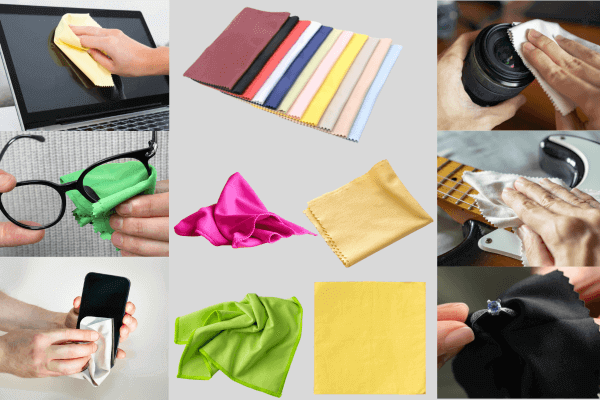
Precision / Smooth Microfiber Cloth
Eyeglasses, electronics(Phone /Laptop/computer), watches, jewellery, cameras,instrument cleaning.
Usually Gsm from 170gsm, 190gsm,200gsm, 230gsm, 240gsm
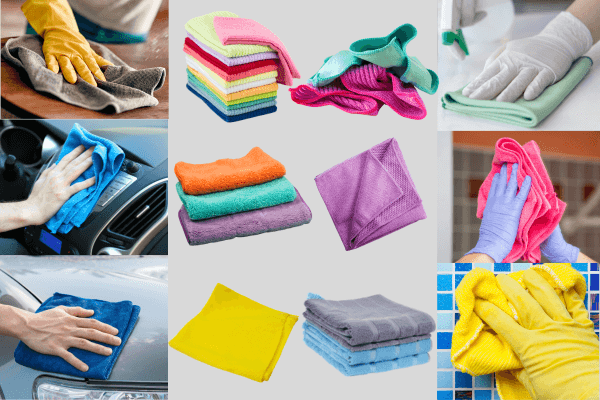
General Cleaning Microfiber Cloth
Home, office, glass and commercial cleaning.
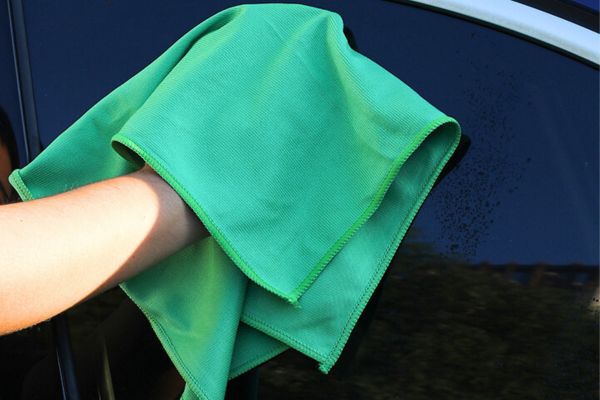
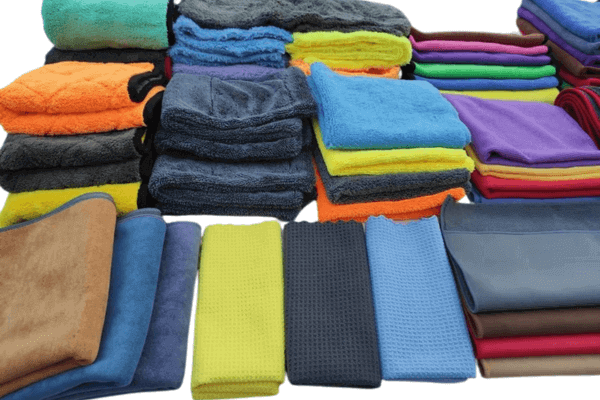
Microfiber Towel
Automotive, sports, gym, golf, kitchen etc.
What Should Buyers Specify Before Production?
To receive an accurate microfiber cloth quotation, provide:
- Application
- Fabric composition
- GSM
- Finished size
- Colour / Pantone
- Edge finish
- Logo method
- Artwork
- Packaging
- Quantity
- Compliance or testing requirements
- Required delivery dateIf you are unsure about the fabric specification, start with the application. A supplier can recommend suitable constructions for eyewear, electronics, jewellery, automotive or general cleaning.
About Easypromogift
How Easypromogift Works With Custom Microfiber Cloth Projects
Easypromogift coordinates custom microfiber cloth production through textile and converting partners in China.
Our work typically covers fabric selection, colour matching, size and edge confirmation, logo application, packaging, production follow-up and pre-shipment QC.
For buyers who are unsure which microfiber construction to use, we recommend starting with the application and required finished result rather than selecting GSM alone.
Easypromogift leverages China’s comprehensive supply chain advantages, maintaining long-term relationships with stable raw material suppliers and collaborating with multiple primary factories. This enables us to coordinate production capacity and delivery schedules effectively. By focusing on custom microfiber cloths, we can meet a wide range of client requirements.
FAQ
What is microfiber cloth made of?
Microfiber cleaning cloths are commonly made from polyester or blends of polyester and polyamide. The exact composition varies by fabric construction and intended use.
Is 80% polyester and 20% polyamide the only microfiber composition?
No. It is a common blend, but microfiber cloth can also use 100% polyester or other polyester/polyamide ratios.
Is microfiber cloth woven or knitted?
Many cleaning microfiber fabrics are warp-knitted or weft-knitted. Construction varies according to the product and application.
What is the difference between microfiber cloth and microfiber towel?
A smooth microfiber cloth is commonly used for precision surfaces such as eyewear, electronics and jewellery, while thicker terry, waffle or pile microfiber towels are commonly used for general cleaning and automotive applications.
What information is needed to manufacture a custom microfiber cloth?
Application, composition, GSM, size, colour, edge, logo method, packaging, quantity and required delivery date are the main starting specifications.